


I’m Sabiha Shafi a
Web Designer.WooCommerce DesignerWeb Developer
I'm Sabiha, a web designer specializing in WordPress & WooCommerce. I create fast, modern sites — from online stores to business websites.
Web Design
Custom & Responsive
Web Development
WordPress & Custom Code
WooCommerce
Online Stores
Speed & SEO
Fast, SEO-Ready Sites
00+
Projects Completed
Web Design & Development
Building Websites That Look Great and Perform Better
I'm a WordPress designer based in Karachi, creating clean, modern, and responsive WordPress websites. I specialize in custom design using WordPress builders and help businesses establish their online presence.
WordPress Websites
Custom, responsive WordPress websites with modern design and Elementor builder.
WooCommerce Stores
Complete online stores with product setup, payments, and smooth checkout.
Design Skill

Elementor Pro
Kadence Pro
Canva
Responsive Design
Development Skill
Wordpress
Woo Commerce
HTML / CSS
Website Speed / Optimization
Web Design That
Works for You
From custom WordPress builds to SEO and speed optimization, I offer complete web solutions that help your business grow online.
01. WordPress Websites
WordPress websites unique, brand-focused designs , responsive, fast, and built to convert visitors into customers.
02. eCommerce Stores
WooCommerce online stores designed for smooth shopping and higher sales conversions.
03. Responsive Design
Websites that look and work flawlessly on mobile, tablet, and desktop, right out of the box.
04. Landing Pages
High-converting landing pages that turn your visitors into leads and customers.
05. Website Redesign
Give your outdated website a fresh, modern look that performs much better.
06. Speed Optimization
Fast-loading websites built for better experience and stronger search engine rankings.

My Recent Projects
Clean, functional, and mobile-friendly websites built for real businesses from WooCommerce stores to WordPress business sites.
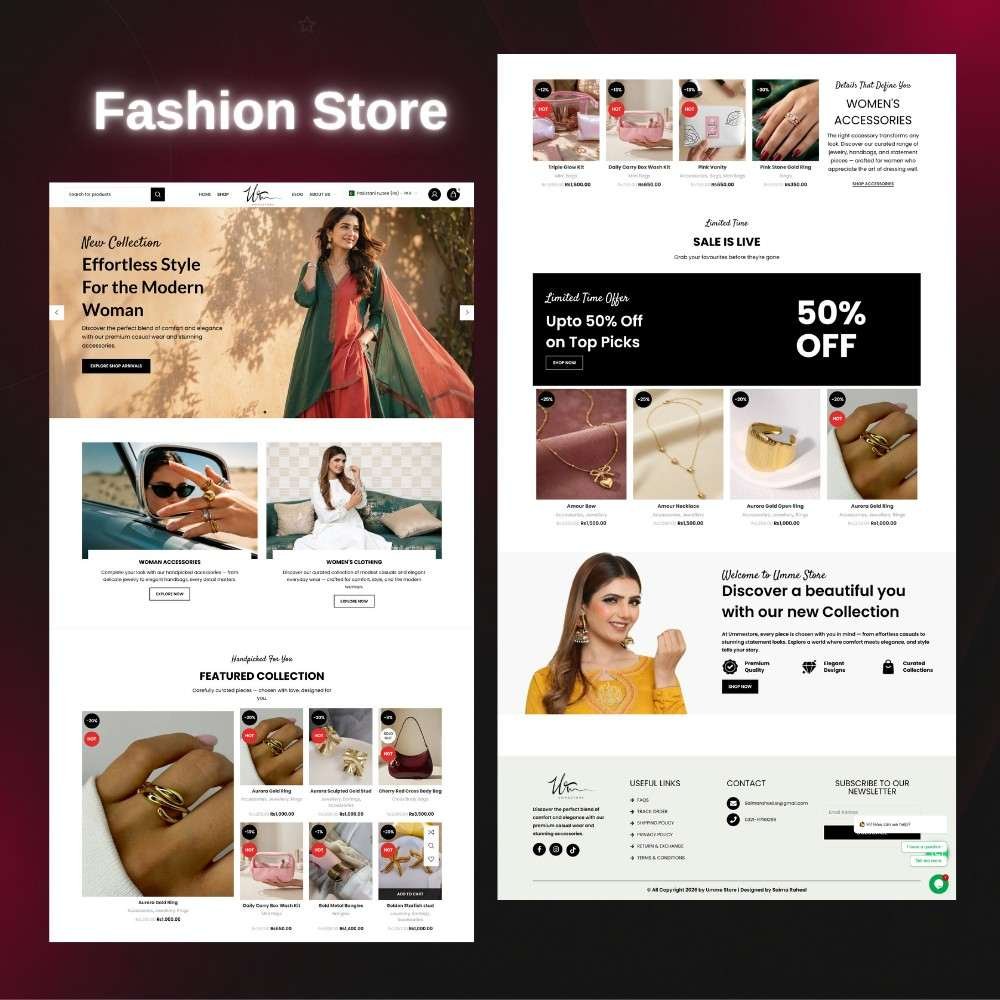
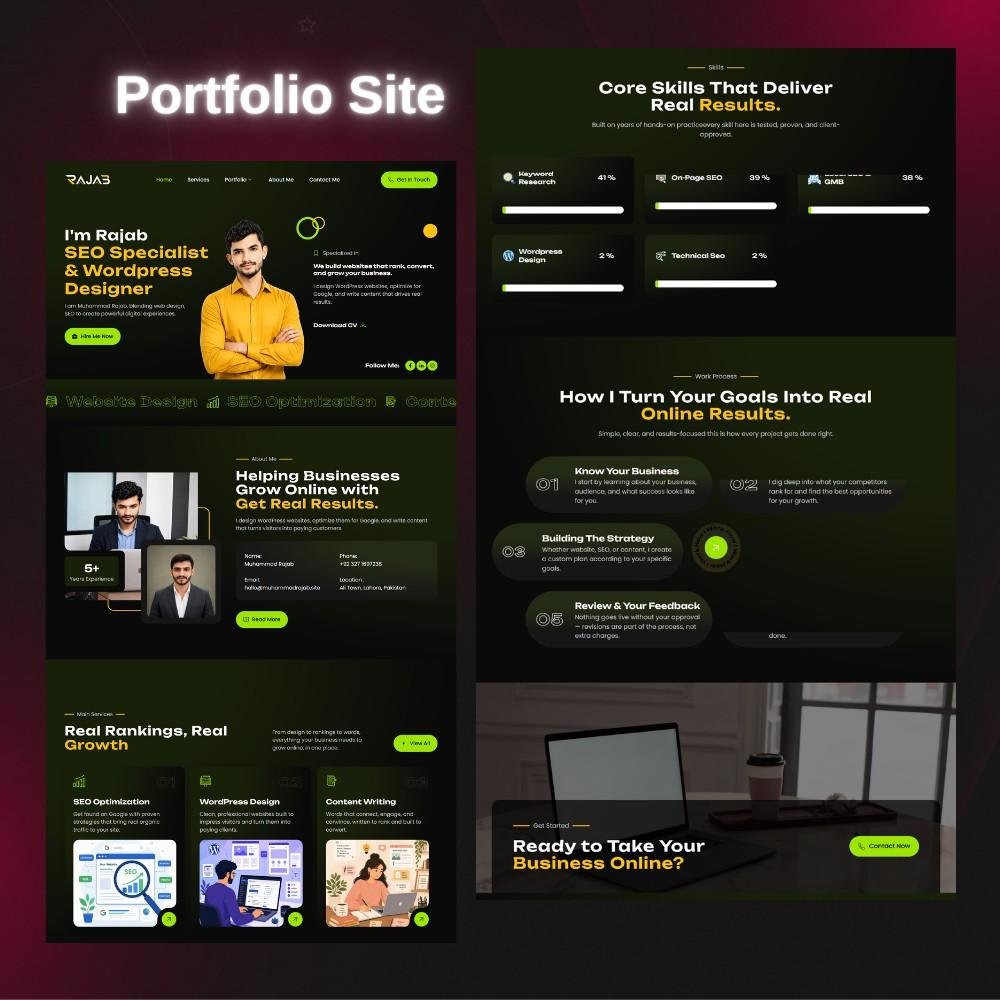
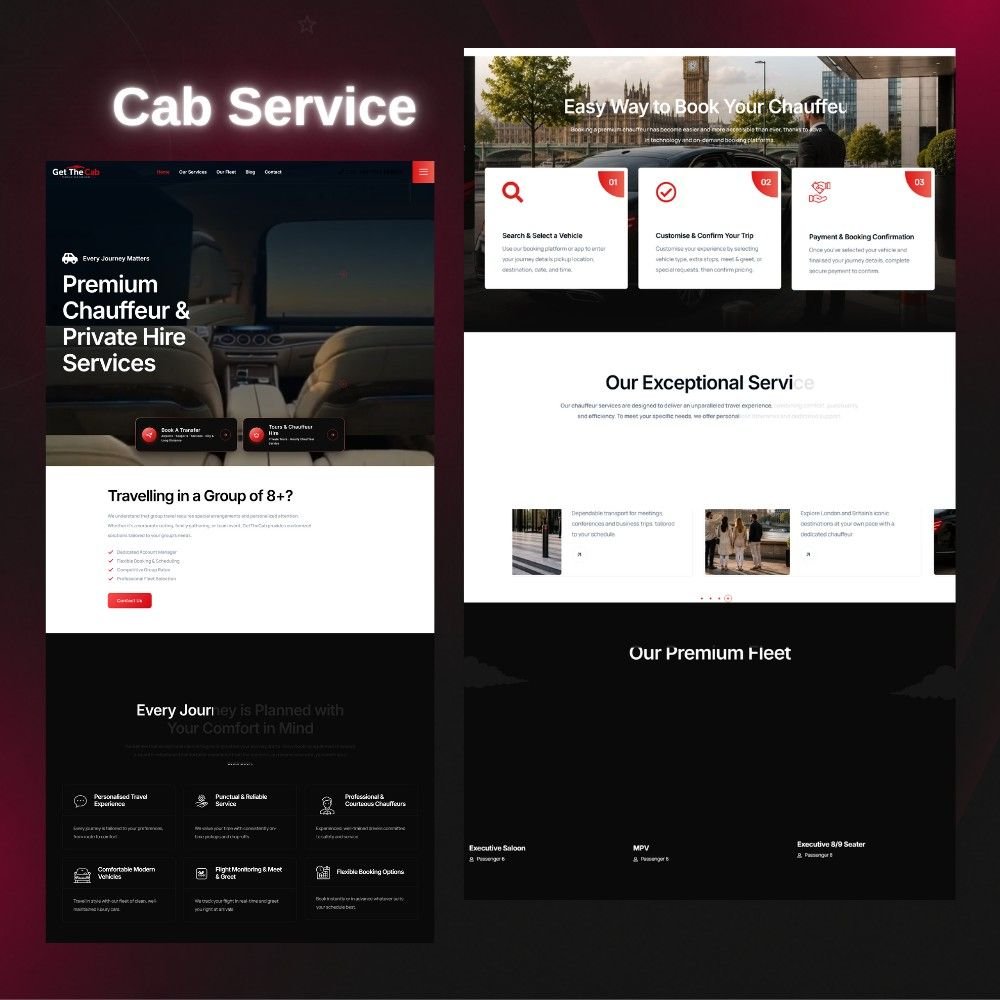
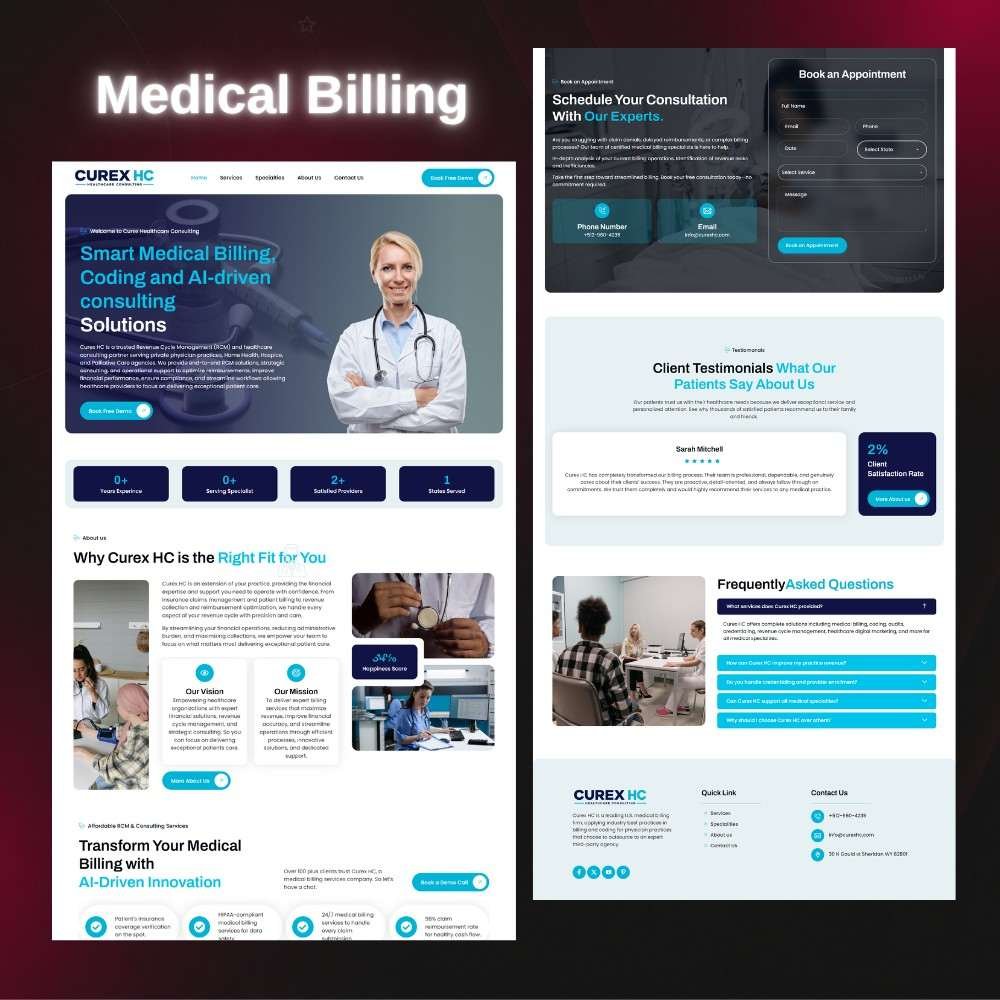
Crafting Digital Experiences From Day One
Fresh perspective, real skills. I design websites that are clean, fast, and built with purpose backed by SEO knowledge that makes them easy to find.
Education
Web Design Fundamentals
2026 - Present
Self-taught through online courses and hands-on practice. Focused on layout principles, color theory, typography, and user-friendly design.
SEO Essentials (Intermediate)
2025
Studied on-page SEO, keyword research, meta optimization, and how design choices affect search rankings and page performance.
Website Builders & CMS Tools
2025 — 2026
Hands-on experience with no-code and low-code platforms to build, customize, and publish professional websites without writing code.
Design Thinking & UX Basics
2025
Learned to think from the user's perspective — organizing content, improving navigation flow, and making pages that are easy to use.
Experiences
Freelance · 2026 – Present
Web Designer
Independent Projects
Designed and launched websites for small businesses and personal brands. Handled layout, visuals, and basic on-page SEO so clients get a site that looks good and gets found..
Currently Growing · 2026
Aspiring UI Designer
Expanding Skill Set
Actively building my portfolio, learning more about UI principles, and taking on new projects to grow my design eye and client communication skills..
Learning - 2025
SEO Practitioner
Self-Directed Study & Practice
Applied SEO techniques to practice sites — researching keywords, optimizing page titles and descriptions, and improving site structure for better search visibility..
Simple & Transparent Pricing
Rs. 8,000
Per Site
Basic WordPress Website
Up to 5 Pages
Mobile Responsive
Contact Form
1 Week Delivery
Rs. 20,000
Per Site
WooCommerce Store
Up to 10 Products
Payment & Shipping Setup
Mobile Responsive
2 Weeks Delivery
Rs. 40,000
Per Website
Custom WooCommerce Store
Unlimites Products
WhatsApp & Live Chat
WoodMart + Elementor
Payment Integration
3-4 Weeks Delivery
Let's Work Together!
Have a project in mind? Let's discuss and build something amazing!